
Hospice Care for Veterans: How Families Can Ensure Comfort
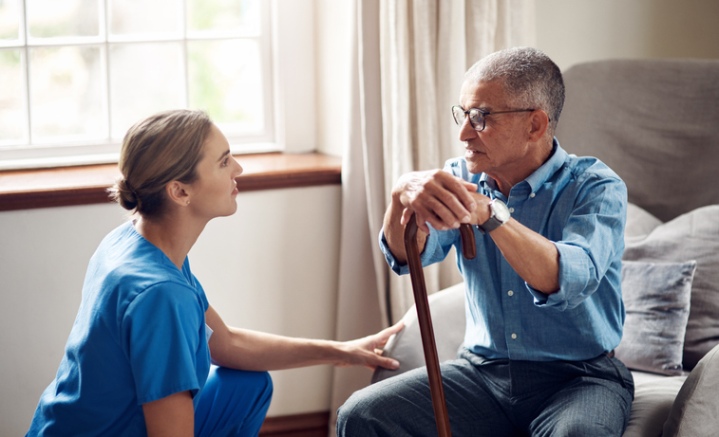
Hospice Care for Veterans and How Families Ensure Comfort
Veterans have unique needs when it comes to end-of-life care. Their experiences in the military can profoundly shape their physical and emotional responses to the final chapter of their lives. That’s why ensuring comfort for veterans takes more than just pain management. It requires a specialized approach that honors their identity, acknowledges their trauma, and utilizes veteran hospice benefits. Let’s clarify what hospice care for veterans entails and how family caregivers can help their loved ones stay comfortable.
What Is Hospice Care for Veterans?
In any case, hospice care focuses on quality of life rather than curative treatment. The goal is to manage pain and symptoms so the patient can live their remaining days with as much comfort and alertness as possible. For veterans, the goal remains the same but requires a different approach.
A hospice team trained in veteran care understands that a former service member might view illness as a battle to be fought or a weakness to be hidden. Medical professionals need to build trust with patients who may be naturally skeptical of authority or hardened by a culture of self-reliance. Affective hospice care creates a safe space where the veteran feels understood not just as a patient, but as a person who served.
What to Know About Veteran Hospice Benefits
One of the biggest hurdles families faces is understanding who pays for care. The good news is that veterans have robust options for hospice coverage:
The VA Hospice Benefit
The Department of Veterans Affairs offers hospice care as part of its standard medical benefits package. This is available to all enrolled veterans who meet the clinical criteria for hospice (usually a life expectancy of six months or less). This benefit covers:
- Pain and symptom management
- Medical equipment and supplies (like hospital beds or wheelchairs)
- Prescription medications related to the terminal diagnosis
- Physical and occupational therapy
- Grief counseling for the veteran and their family
Medicare
Many veterans are also eligible for the Medicare Hospice Benefit. Thankfully, veterans don’t have to choose between using their Medicare benefits and their VA benefits. They can often be used together to maximize coverage.
Unique Features of End-of-Life Care for Veterans
Traditional hospice care may work for some veterans, but many require a personalized approach that accounts for their life experience. The best end-of-life care for veterans will consider the following:
- PTSD—post-traumatic stress disorder (PTSD) sometimes manifests at the end of life. A veteran who has been calm for decades might experience agitation, hallucinations, or combat flashbacks, and their care team must understand how to handle this sudden issue.
- Stoicism—Military Culture, prizes toughness. Consequently, many veterans will underreport pain. Caregivers have to watch for non-verbal signs of discomfort, such as furrowed brows, clenched fists, or restlessness, rather than relying solely on words.
- Environmental Triggers—Hospitals or facilities with loud noises, banging doors, or chaotic movement can trigger anxiety. Even the feeling of being “trapped” in a hospital bed can mimic past trauma.
How to Help Your Loved One Stay Comfortable
As a family caregiver, you likely feel responsible for advocating for your loved one and ensuring their comfort. Fortunately, you can take several steps to make sure their final phase of life is calm and peaceful:
- Create a Comforting Space—Modify their space to reduce anxiety as much as possible. Maybe you’ll reposition their bed so they can look out the window or install soft lighting to keep the mood calm.
- Encourage Reflection—Does your loved one want to talk about their time in military service? Offer a non-judgmental space where they can express themselves. Many hospice providers include pastoral care for this purpose.
- Recognize Their Service—We all appreciate validation once in a while. Try expressing your gratitude for their service or research programs that can present them with a pin and certificate of recognition.
- Request Counseling—If your loved one needs additional support, connect with a social worker or chaplain. Spiritual comfort is often just as important as physical well-being.
Helping You Honor Your Loved One
Caring for an aging family member isn’t easy, especially when your loved one is navigating the physical and emotional aspects of being a veteran. Thankfully, you don’t have to do it alone. The team at Agape Hospice & Palliative Care is here for Los Angeles and Orange County families, providing exceptional in-home hospice care. Contact us to learn more about our veteran family support services.
Home Preparation Tips for Hospice Care
There’s nothing easy about watching a loved one enter hospice care, but receiving that care in the comfort…

Understanding Hospice Care for Stroke Patients
A stroke can change a person’s life in an instant, often with very little warning. In the aftermath…