
Glaucoma and Hospice Care: How to Manage Vision Changes at Home
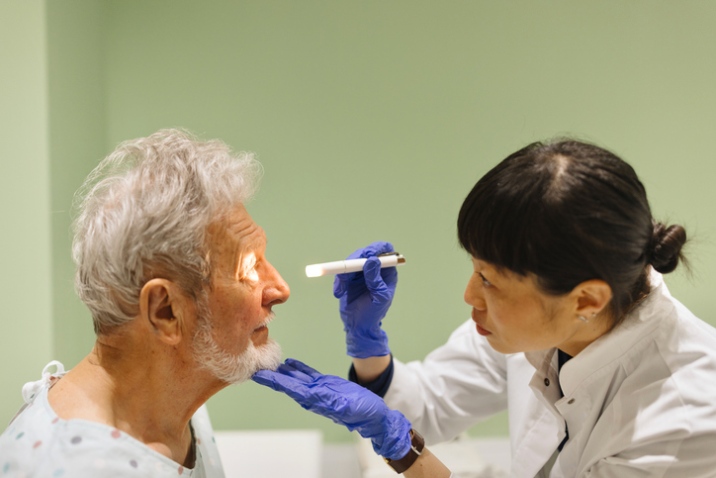
Glaucoma and Hospice Care Guidance for Managing Vision Changes
When we think of hospice care, we typically only think of terminal diagnoses. While this is correct in that a terminal illness may be the main cause of their approaching transition, that doesn’t mean they aren’t dealing with other health issues at the same time. Glaucoma is one of these conditions. Although glaucoma itself isn’t a life-limiting illness, when it’s poorly managed, it can lead to significant discomfort, anxiety, and a decline in quality of life. If you have a loved one in hospice care, be sure to learn more about managing vision loss as a family caregiver.
Glaucoma and Its Impact on Daily Living
Glaucoma is a condition that causes vision loss over time, usually beginning with peripheral vision. As the disease progresses, patients may feel as though they are looking through a tunnel. This “tunnel vision” can be disorienting, especially in a home setting. Your loved one might not see you approaching from the side, or they might knock over water glasses on a bedside table. These examples, among others, can lead to anxiety and agitation.
Beyond that, vision loss contributes heavily to the risk of falls and worsens confusion. Someone with mild dementia may hallucinate or become fearful simply because they cannot clearly see their surroundings or recognize the faces of their loved ones. Once you realize that some of these behaviors and emotions stem from vision loss rather than mental decline, you can provide the best possible glaucoma home care for your loved one.
Why Hospice Care for Glaucoma Patients Matters
While your loved one won’t be admitted to hospice care just because of glaucoma, hospice professionals can provide end-of-life vision support for people who have another terminal condition. Everyone’s needs are different, and hospice ensures all those needs are covered. Here are a few services you can expect:
- Medication Management—Hospice nurses can evaluate if current eye drops are interacting negatively with other comfort medications or if a simpler dosing schedule is possible.
- Safety Assessments—Worried about safety at home? Hospice teams conduct home safety evaluations to minimize fall risks associated with poor vision.
- Emotional Support—Losing vision near the end of life is frightening. Pastoral care professionals can help your loved one process this grief and loss of independence.
- Pain Management—If your loved one has any pain associated with glaucoma, their hospice team may be able to help reduce their discomfort.
Practical Strategies for Managing Vision Loss at Home
Hospice care for glaucoma and an accompanying terminal illness can be greatly beneficial for your loved one. However, as a family caregiver, you can take some steps to help as well. Try these strategies for managing vision loss in a loved one:
1. Adjust Lighting and Contrast
The proper lighting is essential for people with glaucoma, but glare can make vision even harder. Use lampshades, rather than exposed bulbs, to diffuse light, and position those lights so they don’t shine directly on your loved one. Additionally, find places to add contrasting colors to their routine. You might serve lunch on a dark-colored plate or use brightly colored tape to mark the edges of stairs.
2. Be Consistent and Organized
People with tunnel vision need to rely on memory more than their eyesight. With this in mind, refrain from rearranging furniture whenever possible. If you want to go the extra mile, you might also designate spots for essential items, so your loved one always knows where to find them. Caregivers should also make an effort to keep walkways tidy and free from any tripping hazards, like cords, rugs, and clutter.
3. Keep Up Communication
Your loved one may not see you enter a room, so consider announcing yourself to avoid startling them. Always say your name as you enter and narrate any actions you might be doing. This could be something like, “Hi Mom, it’s Sarah. I’m going to change your pillowcases and bring you a glass of water.”
Get More Hospice Tips for Glaucoma Patients
While you can’t get palliative care for glaucoma alone, many hospice patients deal with eye conditions like it. At Agape Hospice & Palliative Care, we have training to handle glaucoma, along with standard terminal diagnoses. Our team has helped countless families in Los Angeles and Orange Counties feel supported through a difficult time. Contact us today for details about our comprehensive care for glaucoma patients.
Home Preparation Tips for Hospice Care
There’s nothing easy about watching a loved one enter hospice care, but receiving that care in the comfort…

Understanding Hospice Care for Stroke Patients
A stroke can change a person’s life in an instant, often with very little warning. In the aftermath…