
How to Keep Seniors Hydrated During Cold Winter Months
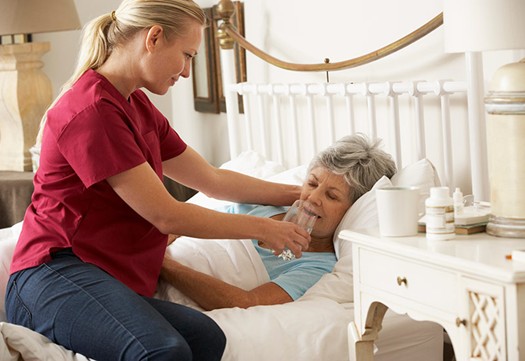
How to Keep Seniors Hydrated in the Colder Winter Months
When we think of dehydration, we imagine the blazing sun and lots and lots of sweat. It’s easy to remember to grab a bottle of water when temperatures are above 80 degrees, but the dangers of dehydration don’t disappear when winter sets in. In fact, for seniors, the winter months can pose a greater risk of dehydration than the summer. Family caregivers can do a lot to help their loved ones stay hydrated all year long. Here’s what you need to know about winter hydration for seniors.
Why Seniors Are at Higher Risk for Dehydration
While the environmental factors affect everyone, older adults face unique challenges that make hydration even more important. These factors make dehydration even more common in seniors:
- Physiological Changes—As we age, our body composition changes. Older adults naturally have less water in their bodies compared to younger adults, which means they have a smaller reserve to tap into.
- Kidney Function—Aging kidneys are often less efficient at conserving water. They may not concentrate urine as well as they used to, leading to more fluid loss.
- Medications—Many seniors manage chronic conditions like high blood pressure or heart failure with diuretics, which are designed to flush fluids from the body.
- Mobility Issues—For those who struggle with arthritis or mobility, getting up to get a glass of water can be impossible. It’s often easier to simply stay seated and skip the drink, or intentionally drink less to avoid trips to the bathroom.
Know the Signs of Dehydration
Because seniors may not feel thirsty, you can’t always rely on thirst as an indicator. Caregivers and family members need to be vigilant about other, more subtle signs. Often, the symptoms of dehydration in older folks mimic other conditions. Confusion and cognitive changes are among the most common early warning signs. A sudden onset of confusion or irritability is frequently mistaken for dementia or just “having a bad day,” when it’s actually a lack of fluids. Other symptoms to watch for include:
- Dark-colored urine
- Sunken eyes
- Dry mouth
- Dizziness and headaches
- Unexplained fatigue
Smart Strategies to Boost Hydration
Maintaining proper hydration doesn’t mean forcing your loved one to drink gallons of water at once. There are plenty of practical things you can do to make sure your loved one is keeping up with their fluid intake. Try these senior hydration tips:
1. Skip Ice Water
Ice water is rarely appetizing in winter. Switch to warm beverages that feel comforting. Herbal teas, warm milk with a dash of honey, hot cocoa, or simply hot water with a slice of lemon are excellent ways to get fluids in. The warmth often makes the drink feel like a treat rather than a chore.
2. Choose Hydrating Foods
Fluid intake doesn’t have to come exclusively from water. Many winter-friendly foods are packed with water and are just as effective for hydration. Incorporating these into your loved one’s diet can sneak in hydration without them feeling like they are drinking constantly:
- Soups and Broths—A hearty vegetable soup or bone broth is hydrating, warming, and nutrient-dense.
- Fruits and Vegetables—Even in winter, you can find hydrating produce. Oranges, grapefruits, and bell peppers are high in water content.
- Stewed Fruits—Applesauce or poached pears are easier to digest for some seniors and provide a good source of fluids.
3. Create a Routine
Relying on memory or thirst is a recipe for failure if it’s your only hydration strategy. Build hydration into your loved one’s daily schedule so it becomes a habit. For example, you might start by offering them a full glass of water with every medication dose. Then, give a small glass of juice before every meal. You might even incorporate some fun—serve “afternoon tea” every day at the same time.
4. Keep Fluids Accessible
One of the most important parts of hospice hydration care is accessibility. Make it as easy as possible for your loved one to take a drink, especially if they are immobile. Keep a fresh, lightweight cup of water on their bedside table or next to their favorite armchair. You might also offer straws to make drinking easier.
5. Limit Dehydrating Drinks
While coffee is fine in moderation, excessive caffeine acts as a mild diuretic. Alcohol has an even stronger dehydrating effect. Try to balance these beverages with an equal amount of water or switch to decaf versions during the evening.
Stay Healthy All Season Long
Preventing dehydration among seniors isn’t as difficult as you might think. With the right strategy, you can make sure your loved one stays healthy all winter long. The team at Agape Hospice & Palliative Care is here to offer support when you need it. We work with hospice patients dealing with a range of conditions, and our professionals can ensure your loved one gets the fluids they need. Contact us today to learn more about what we offer.

Managing Pain and Symptoms with Comfort Focused Hospice
A terminal diagnosis changes everything. Suddenly, families find themselves navigating…

Practical Tips for Caregivers Managing Stress
Caregiving is a labor of love, but the physical and emotional toll it takes is undeniable. It’s a…