
Managing Seasonal Depression During Hospice Care: What Families Should Know
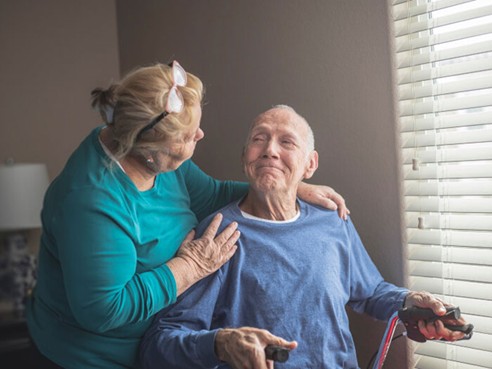
Managing Seasonal Depression in Hospice Care Guidance
As the days seem shorter and the temperature drops, our energy levels shift, too. For families navigating hospice care, this change in season can feel particularly heavy. The winter months often bring a sense of isolation and gloom that can compound the already difficult emotions surrounding end-of-life care. Hospice patients might feel the effects of seasonal depression as well. However, that doesn’t mean you need to resign yourself to negative feelings and sadness. Here’s what families need to know about managing seasonal depression, especially when hospice care is involved.
Seasonal Depression in a Hospice Context
Seasonal Affective Disorder (SAD) is a type of depression related to changes in seasons, typically beginning and ending at about the same times every year. For most people, symptoms start in the fall and continue into the winter months, sapping energy and making them feel moody. Hospice patients typically have even more risk factors for SAD. Bedridden patients may not be able to get outside and feel the natural sunlight. Others might be confined to a room with poor lighting or lack of windows. This lack of light can reduce serotonin levels (which affect mood) and disrupt melatonin levels (which play a role in sleep patterns and mood).
Ideas for Combating Seasonal Depression in Hospice Care
It’s easy to think of seasonal depression as inevitable. Nevertheless, you can take steps to lessen the impact of Seasonal Affective Disorder. These environmental changes are simple ways to alleviate seasonal depression without medication adjustments:
Maximize Natural Light
Increasing natural light is the best way to lessen the effects of seasonal depression. If you can, move your loved one’s bed or favorite chair closer to a window. Even on cloudy days, natural light is significantly brighter than artificial indoor lighting. Open heavy drapes and blinds as soon as the sun comes up. If the view outside isn’t very comforting, consider using window clings or positioning the bed to see the sky rather than the ground.
Try Light Therapy
Light therapy boxes, which mimic outdoor light, are a common treatment for SAD. However, in a hospice setting, this should be done with caution. Your loved one might be extra sensitive to bright lights, which could trigger headaches or agitation. Always talk to their hospice team before introducing a light therapy box. If your loved one’s doctors and nurses also think light therapy is a good idea, start with just 15 minutes in the morning.
Bring Nature Inside
Your loved one probably doesn’t have many opportunities to get outside into nature. In that case, try bringing nature to them. Fresh flowers or potted plants can improve the ambiance of the room with little effort on your part. If you want to go the extra mile (and it makes sense for your loved one), aromatherapy is also a fantastic option for lifting the mood indoors.
SAD Affects Caregivers, Too
While hospice patients are susceptible to seasonal depression, their family caregivers can feel the effects as well. Many times, primary caregivers already feel exhausted, frustrated, and just plain sad. It’s possible you’re also missing out on sunlight. In the most severe cases, you could start to experience caregiver burnout. You might find it harder to have patience with your loved one and struggle to meet the emotional demands of caregiving. If you’re feeling the strain of seasonal depression and hospice care, try these strategies:
- Utilize Respite Care—Hospice teams can often provide a respite for primary caregivers. Use this time to take care of yourself, take a walk in the sun, relax in the bath, or read a good book by a window.
- Reconsider Your Diet—It’s easy to rely on fast food during a crisis, but poor nutrition exacerbates SAD. Try to maintain a balanced diet to keep your energy up.
- Seek Support—Hospice social workers and pastoral care professionals are there for the family, not just the patient. If you feel the winter blues taking hold, reach out to them.
Choose a Mental Health-Focused Hospice Provider
While you can’t control the weather or the progression of an illness, you can seek hospice care that addresses depression and associated symptoms. At Agape Hospice & Palliative Care, we strive to create an environment that focuses on emotional well-being and end-of-life mental health. If you need support as you navigate seasonal depression, our team is here for you. Contact us to learn more about how we help combat SAD in hospice patients.

Managing Pain and Symptoms with Comfort Focused Hospice
A terminal diagnosis changes everything. Suddenly, families find themselves navigating…

Practical Tips for Caregivers Managing Stress
Caregiving is a labor of love, but the physical and emotional toll it takes is undeniable. It’s a…